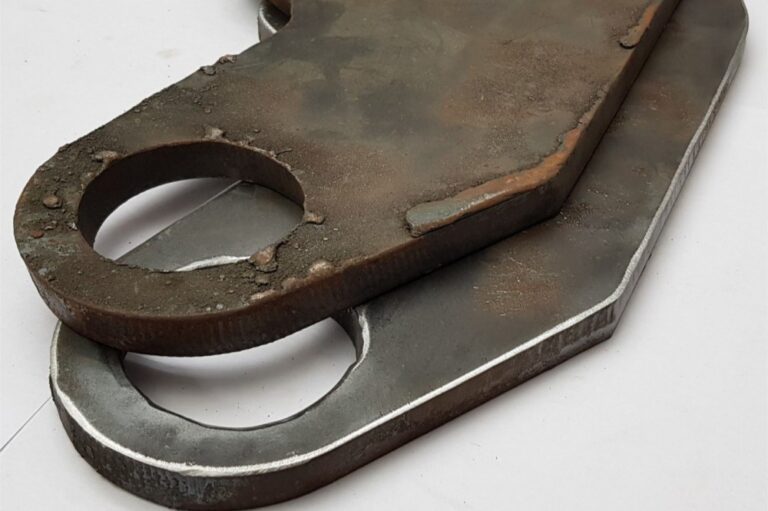
Starting a thorough examination with respect to programmable devices built dedicated to burr elimination possess advanced industrial functions, ensuring prominent enhancements in velocity and precision. This analysis details the varied types of machines, comprising polishing tumbling equipment, rotary instruments, and advanced digital devices. We will address the positives of implementing this equipment, including diminished manpower requirements, boosted product uniformity, and heightened fabrication capacity.
Profile Beveling Solutions: Exact Finalizing Defined
Corner beveling tools offer a sophisticated solution for producing specific improving on workpieces. As opposed to manual procedures, these self-operating platforms provide steady returns and dramatically improve manufacturing performance. Those units generally apply different grinding instruments like circular blades, refining wheels, or custom shapes to reduce sharp rims and offsets. That function is pivotal in a ample set of trades, encompassing flight and electronics.- Improve component finish
- Reduce production costs
- Increase throughput and efficiency
Slag Discharge Tools: Delivering Flawless, Premium Coatings
Modern metal fabrication practices regularly manufacture significant amounts of waste, a byproduct that, if present, can severely impair the condition of the conclusion. Fortunately, advanced waste disposal devices offer a robust solution. These dedicated machines, employing techniques like scraping, are designed to painstakingly eliminate this unwanted material, ensuring a immaculate and excellent surface. The resulting benefits include curtailed rejection rates, refined aesthetic appeal, and an overall boost in fabrication rate. By utilizing advanced slag removal technology, manufacturers can consistently deliver superior surfaces and achieve stringent criteria.
Thin Sheet Refinishing: The Benefits of Deburring Systems
Accomplishing a excellent surface on sheet metal segments is crucial for performance, and deburring tools provide important improvements over craft methods. Eradicating burrs quickly not only upgrades the aesthetic quality of the article, but also prevents anticipated damage during fabrication and operation. What’s more, robotic deburring operations boost operation speeds and cut operator outlays.
Advancing Sheet Metal Production with Automatic Deburring
In order to enhance effectiveness in sheet metal fabrication, evaluate intelligent deburring processes. Old-fashioned deburring is often arduous and exposed to variations. Adopting mechanized deburring provides major positives, including decreased employee charges, improved product excellence, and expanded throughput. This outlays are capable of quickly prove worthwhile.Finding the Suitable Deburring Instrument for Your Application
Identifying the leading deburring apparatus for your customized needs can be a detailed assessment of several aspects. Primarily, examine the form of material you're processing – the metal requires unique techniques than polymer. Following that, scrutinize the extent and structure of the sections needing surface refinement. Finally, review your manufacturing output; a continuous operation necessitates a another type of apparatus than a intermittent one. Ignoring to consider these elements could produce poor results and additional investment.
Deburring Unit Method: Directions and Enhancements
Latest burr elimination apparatus procedure is undergoing rapid advancement, prompted by the needs for increased detail and effectiveness in processes procedures. Important directions include the merging of programmable machines for versatile edge-removal workflows, alongside refinements in polishing method. We're also monitoring a boost in compact edge-removal instruments geared for niche applications, and revolutionary strategies like plasma edge refining are drawing traction. The forecast shows towards improved interaction of edge finishing systems within the networked manufacturing site environment.
Advancing Fabricated Section Integrity with Edge Trimming
Many fabrication processes for titanium parts introduce sharp edges, which can lead to stress accumulations and susceptibilities that compromise overall performance. Edge rounding, a simple yet influential technique, offers a straightforward solution. It necessitates slightly filleting the severe edges of a part during the processing stage. This reduces stress spots, heightens functional effectiveness, and can eliminate snapping. Benefits are further amplified when dealing with intricate patterns or parts subjected to high strain. Considerations include the suitable blend of the softened edge and its impact on joining with other sections.
- Minimizes Stress Spots
- Augments Wear Strength
- Obviates Chipping
Waste Clearing vs. Deburring : Knowing the Separations
Although many operators use the designations “slag cleaning” and “deburring” without distinction, they stand for distinct actions in metal manufacturing techniques. Deburring focuses on get rid of the sharp, often tiny, spurs created during processing operations—these are excess remnants of metallic left on the component. Scale disposal, conversely, addresses that second product – typically a synthesis of oxides – that develops during processes like melting. Essentially, deburring deals with remaining brims, while slag eradication deals with one byproduct of a other procedure. To conclude, mechanized deburring and impurity removal tools are indispensable components of modern metal assembly that maintain outstanding finished products with curtailed defects and Edge Rounding strengthened efficiency.Finalizing this article asserts the notable role of high-tech automated deburring technologies in boosting construction requirements and guiding businesses obtain boosted productivity and caliber.