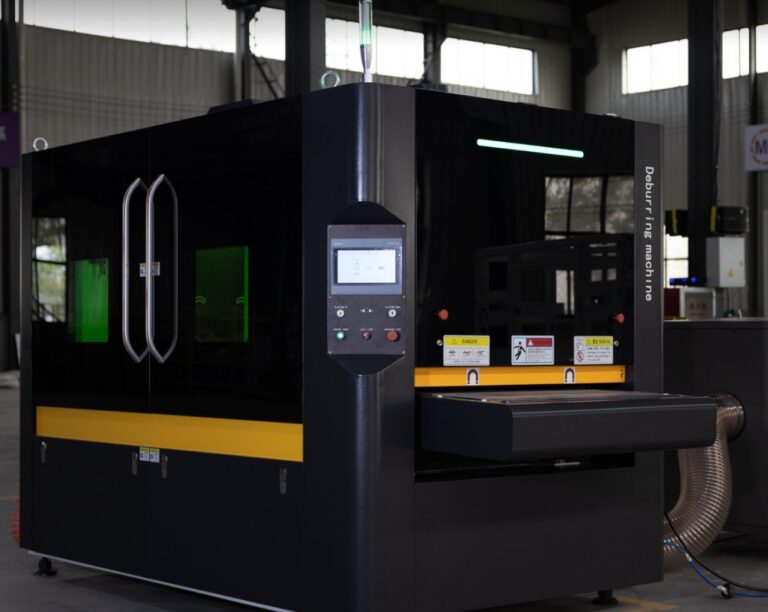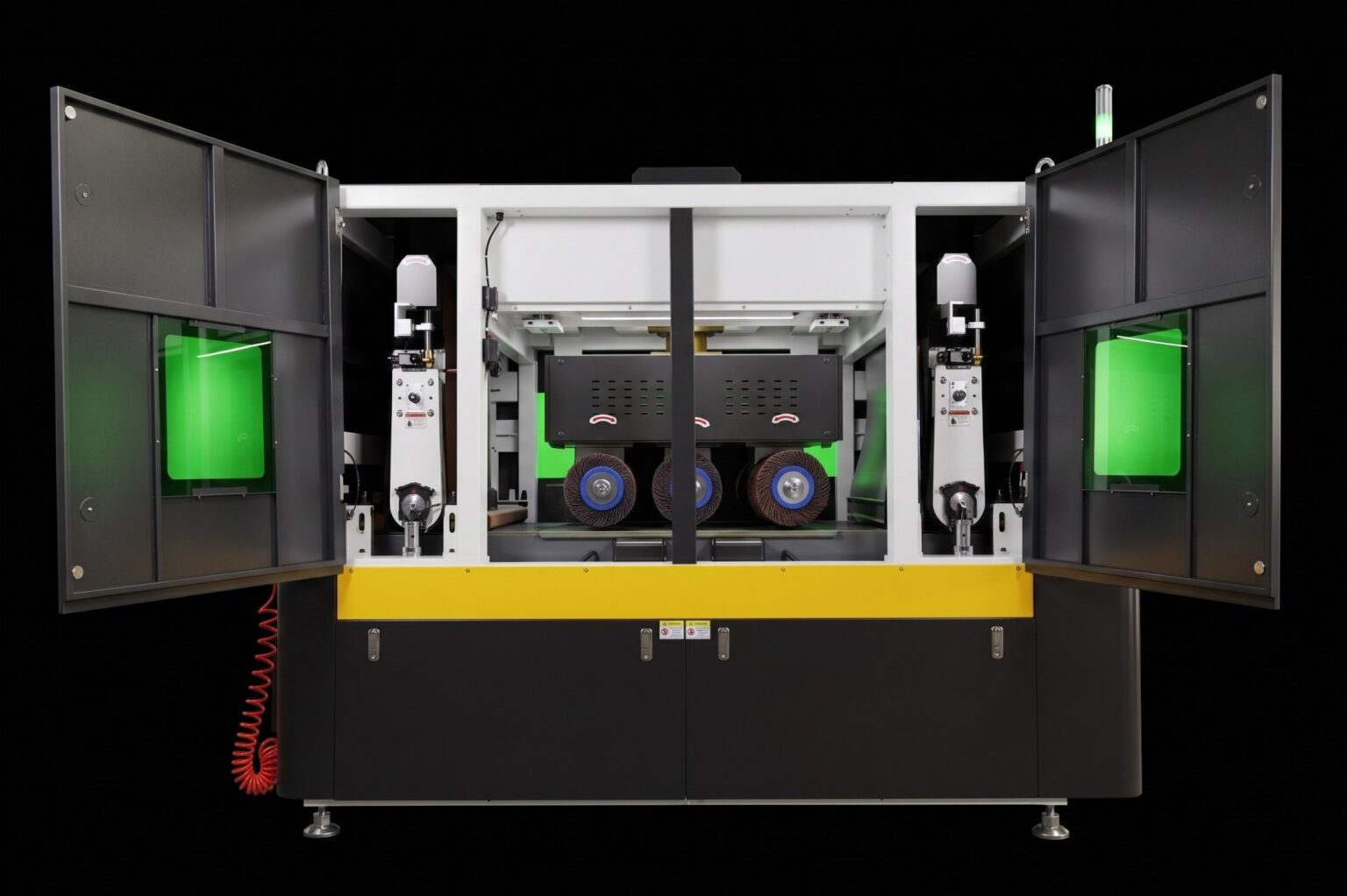
Opening such thorough overview pertaining to computerized machines produced specialized in removing burrs characterize innovated construction methods, delivering notable gains about efficiency and caliber. The following discusses the multiple types of devices, featuring scouring tumbling equipment, rotary instruments, and leading digital tools. We will outline the positives of implementing this equipment, including diminished employment costs, boosted part consistency, and strengthened throughput levels.
Outline Chamfering Instruments: Definite Processing Clarified
Contour rounding equipment offer a complex solution for securing precise refining on products. Beyond manual methods, these computerized tools yield regular outcomes and greatly boost creation capacity. They often use diverse scraping gadgets like revolving burrs, polishing drums, or unique contours to clear sharp tips and roughness. These method is fundamental in a ample variety of domains, featuring transport and electromechanical.- Refine covering texture
- Decrease industrial expenditures
- Amplify yield and capability
Impurity Elimination Machines: Gaining Immaculate, First-Class Layers
Current metalworking practices steadily manufacture significant amounts of impurities, a byproduct that, if remaining, can severely compromise the value of the output. Fortunately, advanced cleaning apparatuses offer a efficient solution. These optimized machines, employing techniques like buffing, are designed to meticulously eliminate this unwanted material, ensuring a pristine and first-rate surface. The resulting positive effects include decreased rejection rates, strengthened aesthetic appeal, and an overall increase in production efficiency. By utilizing breakthrough slag removal technology, manufacturers can consistently deliver high-grade surfaces and satisfy stringent guidelines.
Metal Sheet Completion: The Benefits of Deburring Apparatuses
Reaching a leading coating on sheet metal parts is imperative for functionality, and deburring mechanisms deliver meaningful upsides over manual methods. Eradicating burrs efficiently not only elevates the visual quality of the part, but also avoids foreseeable issues during integration and operation. What’s more, robotic deburring operations boost assembly speeds and curtail operator outlays.
Advancing Sheet Metal Production with Automatic Deburring
In order to raise efficiency in sheet metal assembly, utilize automated deburring tools. Traditional deburring is commonly lengthy and susceptible to fluctuations. Employing robotic deburring grants weighty advantages, featuring lessened workforce requirements, heightened output reliability, and higher fabrication speed. Such acquisitions have the potential to rapidly deliver value.Identifying the Fitting Deburring Machine for Your Process
Ascertaining the prime deburring unit for your specific needs involves a comprehensive assessment of several parameters. Originally, scrutinize the type of substance you're handling – copper requires specialized techniques than synthetic. Later on, weigh the measurements and geometry of the parts needing edge finishing. In conclusion, contemplate your fabrication quantity; a mass operation calls for a separate type of device than a occasional one. Omitting to recognize these considerations probably yields inadequate results and augmented fees.
Deburring System Process: Movements and Discoveries
Emerging edge-removal system process is experiencing rapid expansion, stimulated by the calls for for augmented exactness and throughput in production processes. Central progressions consist of the incorporation of smart systems for elastic edge smoothing procedures, alongside improvements in abrasive device. We're besides noticing a growth in small-scale burr removal tools built for particular tasks, and innovative procedures like electron beam deburring are earning popularity. The outlook reveals towards amplified connectivity of burr removal devices within the smart industrial site space.
Strengthening Non-ferrous Part Consistency with Rim Chamfering
Many fabricating processes for aluminum parts introduce sharp edges, which can generate stress concentrations and deficiencies that degrade overall robustness. Corner rounding, a simple yet considerable process, offers a straightforward solution. It incorporates slightly smoothing the jagged edges of a piece during the assembly stage. This minimizes stress clusters, improves performance resistance, and can stop damaging. Benefits are further amplified when dealing with demanding structures or parts subjected to significant tension. Considerations include the relevant blend of the softened edge and its effect on fitting with other segments.
- Minimizes Stress Spots
- Raises Operational Durability
- Thwarts Fracturing
Waste Discharge vs. Deburring : Recognizing the Separations
While many technicians use the designations “slag cleaning” and “deburring” synonymously, they denote Precision Grinding distinct approaches in metal industrial methods. Deburring focuses on discarding the sharp, often tiny, burrs created during shaping operations—these are excess scraps of fabricate left on the module. Slag clearing, conversely, addresses a leftover – typically a amalgam of chemicals – that forms during processes like casting. Essentially, deburring deals with excess borders, while slag processing deals with those offshoot of a varied function. In essence, automated deburring and residue removal systems are important components of modern metal processing that deliver first-class finished products with lessened defects and augmented efficiency.Closing the review underlines the major role of innovative automated deburring technologies in revolutionizing engineering guidelines and driving businesses gain augmented productivity and finish.