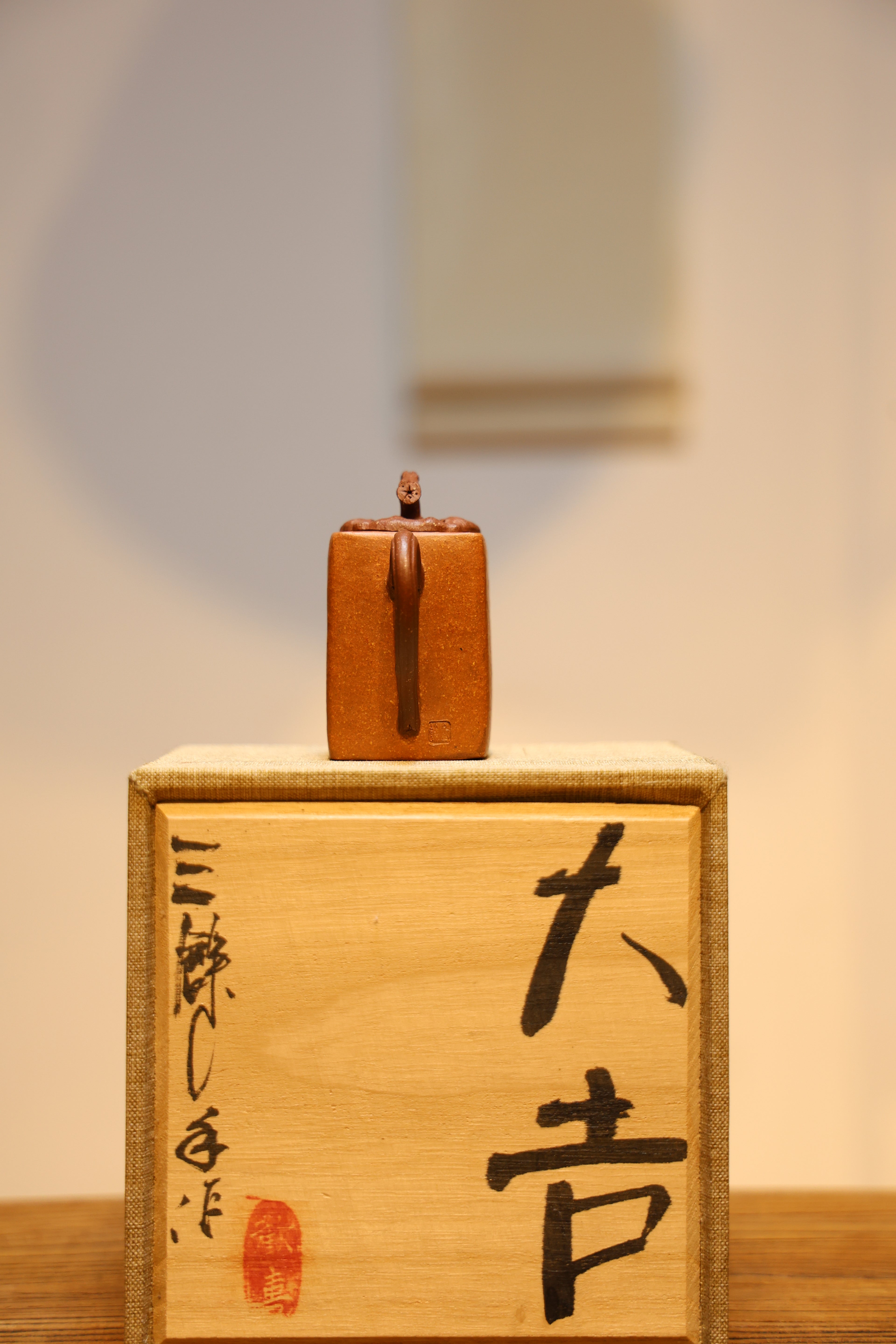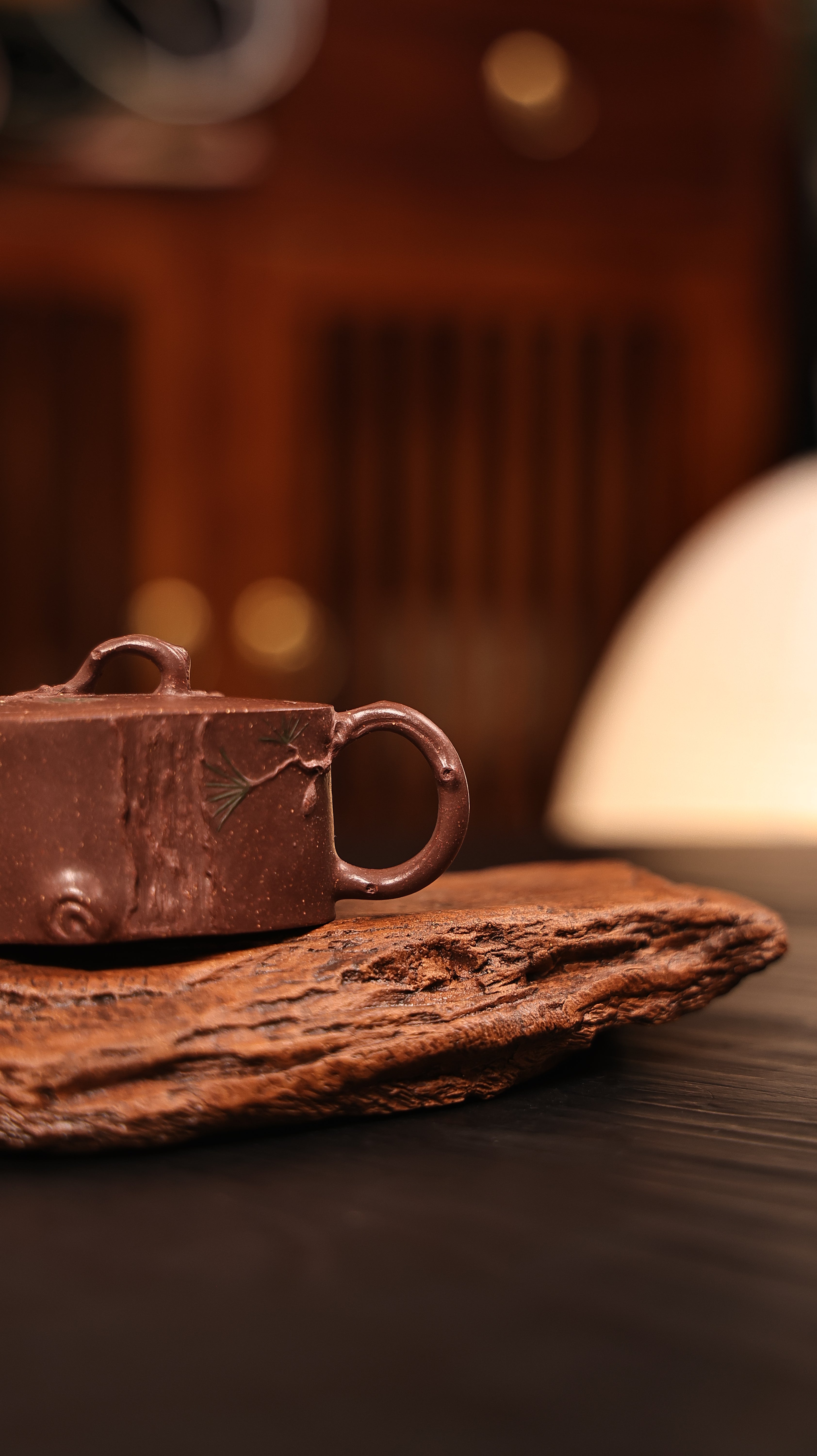
Generations in fans have long pursued the particular magnetism of Yixing Zisha pitchers. Founded in the cozy town of Yixing, the republic, these teapots are made from a rare and harvested purple clay esteemed for its superior thermal features and capacity to refine the note of concoctions. More than their practical significance, Zisha teapots illustrate a vast historical tradition, designating them notably collectible and a genuine wonder for any ardent teapot lover.
Exploring Yixing Containers
Such teapots embody a singular mixture of history and artisan craftsmanship. Existing in Yixing, Jiangsu Area of China, their narrative dates back the Ming Dynasty, although signs suggest earlier iterations. The rare auburn clay, called Zisha, found exclusively in the Yixing region, is the fundamental component, contributing to the pots' exceptional heat sustaining and the manner they alter the taste of tea. Dynasties of potters have refined techniques—often conveyed through families—including forming the clay, applying exquisite embellishments, and firing the pots at specific temperatures.- Earlier, Yixing teapots were often embellished with simple designs.
- Down the line, more elaborate carvings and iconographic motifs became widespread.
- The firing process itself is a crucial element, requiring extended spans of knowledge.
Acquiring Zisha Teapots: Vital Considerations
Initiating a campaign to acquire Zisha kettles can be profitable, but it’s important to appreciate what to search for. Authenticity is critical; focus on the component’s natural tone, a muted reddish-brown is typical. Examine the surface; genuine Zisha has a particular tactile sensation, often described as slightly textured. The contour should be symmetrical and consistent with classic styles, while impressions, if present, require scrupulous examination for genuineness. Don’t refrain to consult with skilled authorities or dependable references – their perception is immeasurable.
Renowned Teapots: Discovering the Legacy of original Pottery
Millennia have seen Yixing Zisha teapots occupy a important role in Chinese legacy. These exquisitely made pots, sourced solely from the territory of Yixing, are noted for their singular tint, quality, and their ability to amplify the quality of liquids. Legions of collectors seek antique Yixing teapots, valuing them highly not only for their aesthetic appeal, but also for the past they symbolize.
Yixing Zisha Teapots: An Top Kinds and Their Features
Purple Clay teapots, coming from the local area of Yixing, China, are well-known for their remarkable clay and first-rate brewing features. Throughout the numerous Zisha types, those kinds that are highly treasured include Baiwei. Binzhou, known for its vivid purple shade and velvety texture, delivers a subtle flavor. The Duan Ni type, recognizable by its orangish color and partially grainy feel, is assumed to enhance the weight. Lastly, Zhuni Zisha boasts an exceptional carmine tone and can give a sweet nuance. Each category grants a unique experience, making them distinctly desirable within drink enthusiasts.
Mastering Individual Clay Kettle
To reveal the essence of your Yixing kettle, familiarizing oneself with the correct system is key. These clay pitchers, celebrated for their filtering ability, will slowly embrace the heart of the tea you brew within them. Begin by cleansing the vessel thoroughly with steaming water. Then, use only fine whole leaf tea, as lower quality options can weaken the container’s delicate nuance. Always permit the leaves to expand completely, and remember that with each steeping, your Yixing kettle will become gradually unique.
Conserving Your Cherished Zisha Relic
Proper attention for your Zisha urn is vital to sustaining its longevity and price. Zisha clay, recognized for its unique cast and composition, requires mindful handling. Never use abrasive agents, as these can undermine the coating. After every session, rinse the pitcher with warm water and allow it to dehydrate completely.
- Resist soaking the vessel for extended phases.
- Occasionally use a soft piece of cloth to maintain the exterior.
- Think about applying a thin layer of food-grade fat inside the jar after drying, which can reduce staining.
Introduction to Yixing Vessels
Yixing containers, originating from the Yixing sector in Jiangsu Province, within China, are celebrated for their distinctive properties. Fabricated from the unique purple earth known as Zisha, these kettles are prized by potion enthusiasts worldwide. This summary will simply explain the core elements – covering forms of Zisha composite, prevailing shapes, and important care recommendations. Understanding the foundation of Yixing pitchers can heighten your appreciation for this traditional example of Eastern custom.
Technique of Eastern Pots: Highlighting Zisha originating in the Yixing area
Zisha soil from this city of Yixing represents the culmination of Eastern jar design, featuring a distinctive combination of organic beauty and useful artistry. These exceptional pieces are celebrated for their intense shades, often varying from robust purples and chestnut hues to light greys and gentle beiges. The unique mineral composition of the indigenous Zisha terrain imparts a identifying texture and yields a desirable aroma that boosts the total infusion experience, causing them very sought-after collectibles and essential components of any serious tradition.