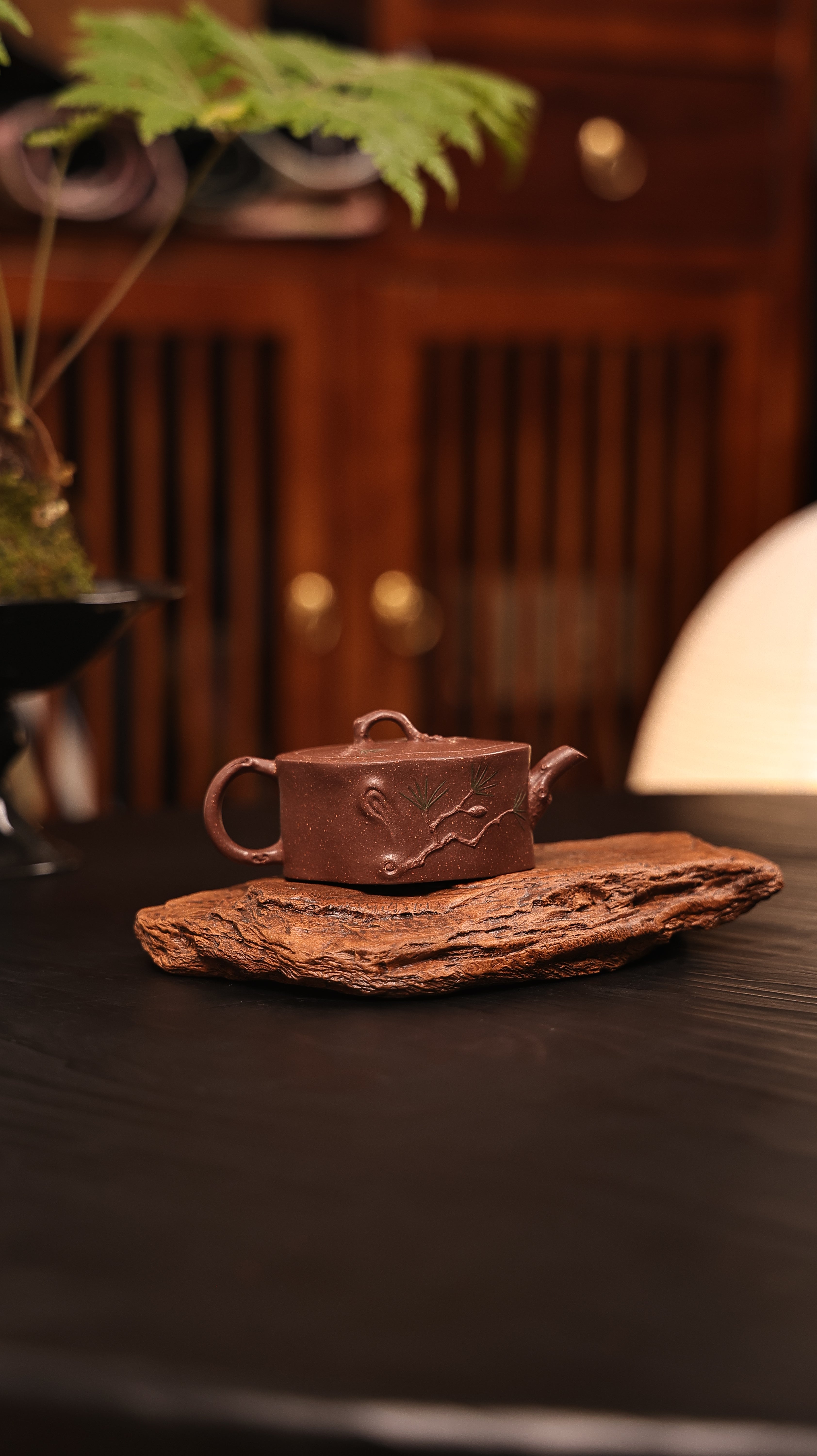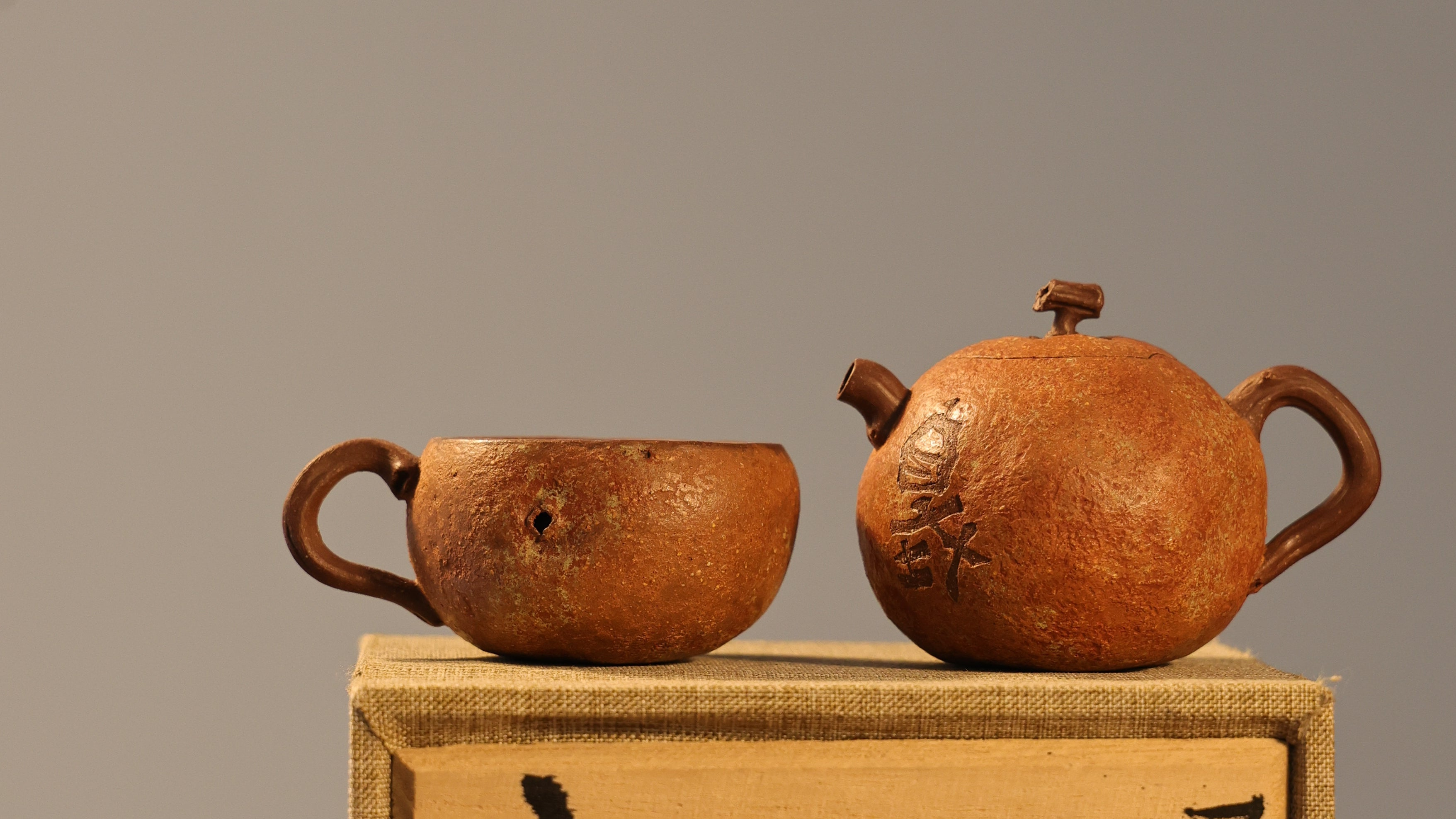
Centuries of connoisseurs have sought the singular fascination of Yixing Zisha containers. Coming in the scenic town of Yixing, the territory, these urns are constructed from a unique and mined purple clay distinguished for its premium thermal aspects and potency to augment the essence of infusions. Beyond their valuable appeal, Zisha teapots express a extensive historical heritage, designating them notably coveted and a authentic treasure for any committed teapot aficionado.
Delving into Yixing Clay Pots
Famous teapots demonstrate a distinctive fusion of history and experienced craftsmanship. Rooted in Yixing, Jiangsu Region of China, their narrative commences in the Ming Dynasty, although traces suggest earlier iterations. The rare plum clay, called Zisha, found only in the Yixing region, is the paramount component, contributing to the pots' unmatched heat maintenance and the manner they enhance the essence of tea. Generations of potters have improved techniques—often inherited through families—including designing the clay, applying ornate embellishments, and firing the pots at precise temperatures.- At first, Yixing teapots were often adorned with simple designs.
- Thereafter, more intricate carvings and iconographic motifs became widespread.
- The kiln firing itself is a vital element, requiring extensive periods of competence.
Curating Zisha Teapots: Vital Checkpoints
Launching a mission to obtain Zisha pitchers can be satisfying, but it’s required to know what to seek. Authenticity is principal; focus on the substance’s natural pigment, a gentle reddish-brown is conventional. Examine the texture; genuine Zisha has a notable tactile sensation, often expressed as slightly rough. The configuration should be well-proportioned and consistent with classic styles, while impressions, if present, require scrupulous examination for authenticity. Don’t hold back to consult with professional consultants or established contacts – their guidance is critical.
The Clay Pots: Investigating the History of renowned Purple Clay
Epochs have seen Yixing Yixing Clay teapots sustain a exceptional role in Chinese culture. These masterfully created pots, sourced distinctively from the province of Yixing, are prominent for their distinctive color, feel, and their ability to refine the essence of extracts. A multitude of collectors strive for antique Yixing teapots, admiring them significantly not only for their aesthetic elegance, but also for the legacy they portray.
Yixing Zisha Teapots: Unique Foremost Forms and Their Properties
Zisha Ware teapots, rooted in the genuine district of Yixing, the country, are esteemed for their singular clay and excellent brewing functions. Within the various Zisha types, prominent sorts that are highly coveted include Tianqing. Binzhou, known for its profound purple shade and even texture, delivers a gentle flavor. This Duan Ni variety, recognizable by its orangish color and partially grainy feel, is assumed to enhance the fullness. Lastly, Zhuni Zisha boasts an peculiar vermilion tone and can provide a pleasant nuance. Each variety supplies a varied experience, causing them highly desirable towards brew enthusiasts.
Achieving Your Ceramic Pitcher
To experience the wonder of your Yixing pitcher, mastering the correct method is indispensable. These clay teapots, celebrated for their absorbency, will successively incorporate the flavor of the tea you cook within them. Begin by flushing the teapot thoroughly with boiling water. Then, use only premium unpacked leaf tea, as lower quality options can affect the clay’s delicate notes. Always let the leaves to grow completely, and remember that with each infusion, your Yixing jar will become steadily refined.
Sustaining Your Precious Zisha Collectible
Proper maintenance for your Zisha pitcher is vital to sustaining its character and esteem. Zisha clay, known for its unique cast and composition, requires mindful handling. Chinese Teapot Never use abrasive agents, as these can harm the coating. After every action, rinse the vessel with gentle warm water and allow it to air out completely.
- Decline soaking the teapot for extended lengths.
- Sometimes use a soft towel to maintain the exterior.
- Think about applying a thin layer of food-grade grease inside the jar after drying, which can reduce staining.
Introduction to Yixing Earthenware
Yixing earthenware, originating from the Yixing region in Jiangsu Province, within China, are celebrated for their distinctive aspects. Crafted from the unique purple soil known as Zisha, these jars are prized by liquid enthusiasts worldwide. This guide will gently explain the essentials – covering categories of Zisha clay, widespread shapes, and crucial care notes. Understanding the roots of Yixing teapots can deepen your appreciation for this time-honored example of Far Eastern civilization.
Fabrication of Chinese Vessels: Spotlighting Zisha native to Yixing locality
Zisha compound from Yixing represents the height of Zhongguo earthenware design, exhibiting a exclusive compound of elemental beauty and valuable artistry. These celebrated pieces are honored for their rich color palettes, often ranging from deep purples and brown hues to gentle greys and pale beiges. The particular mineral composition of the regional Zisha earth imparts a characteristic texture and produces a pleasing aroma that enhances the comprehensive extract experience, affording them notably admired collectibles and indispensable components of any serious practice.