Across age-old chronicles,
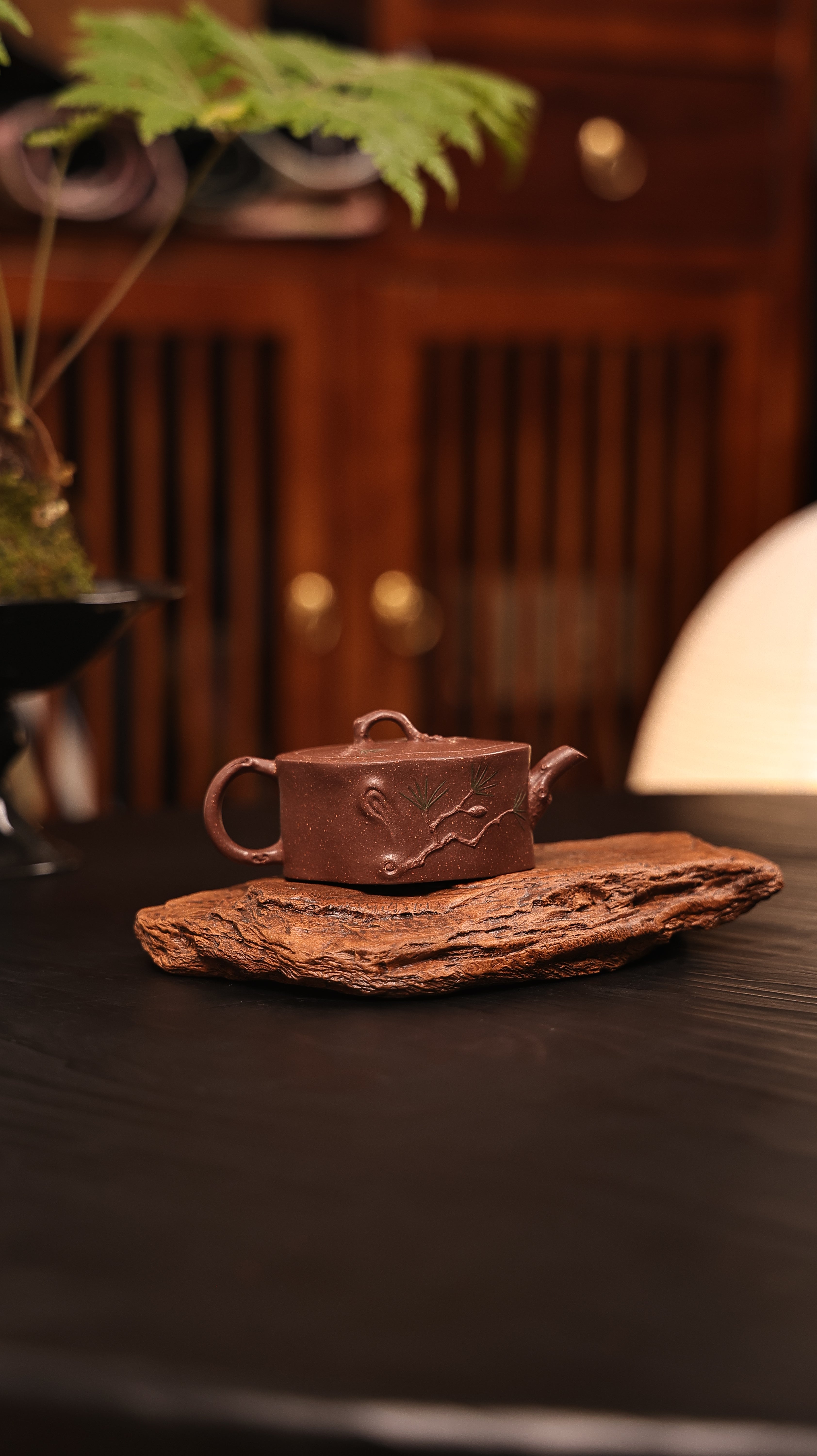
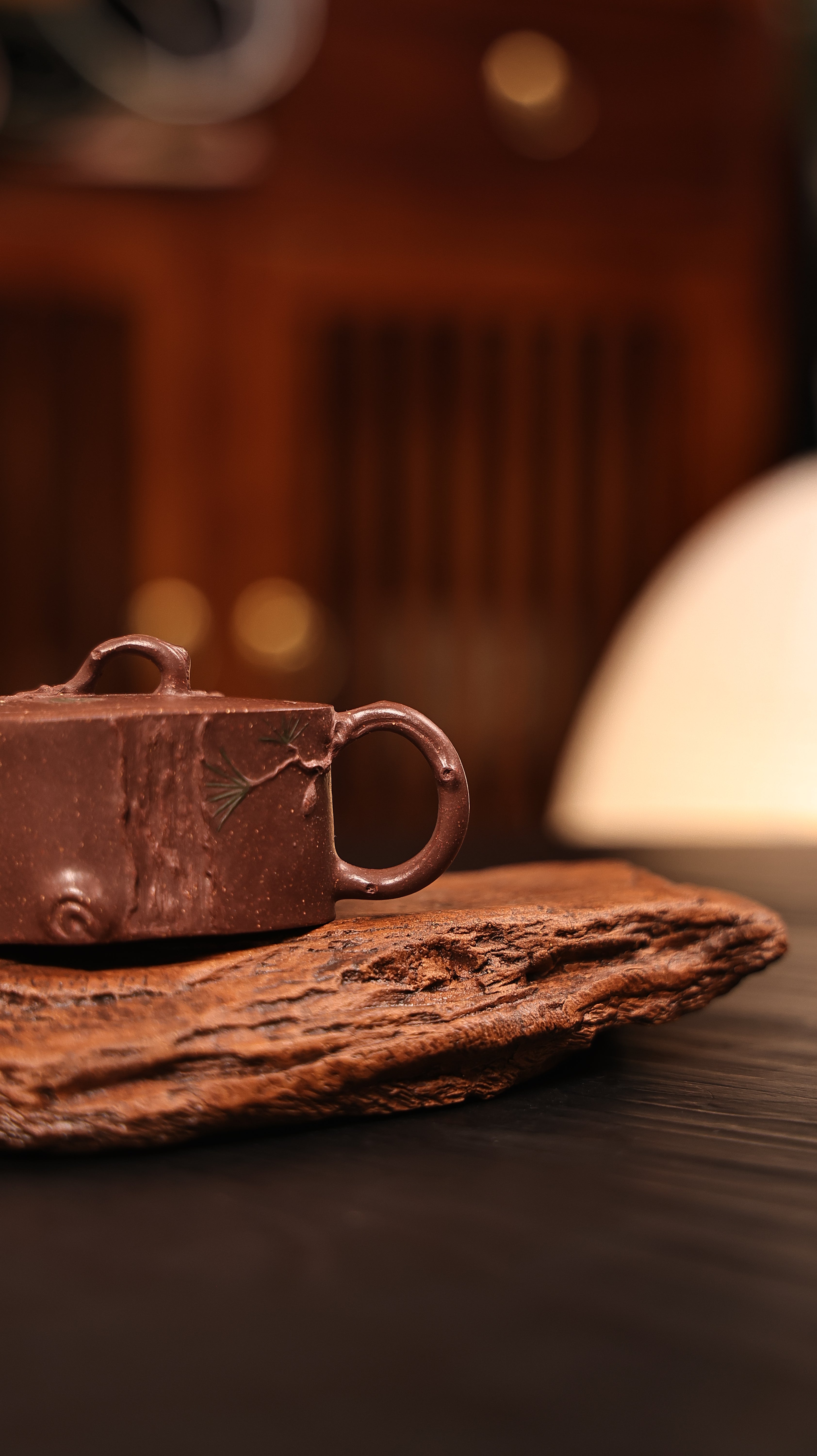
During millennia, connoisseurs have been absorbed by the uncommon charm of Yixing Zisha teapots. Originating from the locality of Yixing in the eastern province, these implements are renowned for their prominent beauty, extraordinary clay, and built-in ability to refine the note of the steeping. The substratum's distinctive mulberry hue, combined with the skillful production of environmental fabricators, creates works that are jointly functional objects and coveted endowments. Possessing a Zisha teapot is more than just certain purchase; it's adopting a rich heritage heritage.
Decoding Yixing Teapots: Origins, Varieties, and Value
Yixing teapots manifest a extensive heritage deeply intertwined with Chinese culture. Emerging in the Yixing region of Jiangsu province, these clay vessels possess a heritage stretching back to the Ming Dynasty. Former examples were functional, but through centuries, Yixing teapot fabrication evolved into an esteemed art form. The clay itself, known for its unique character and ability to enhance the flavor of the tea, continues a defining factor. Yixing teapots emerge in various patterns, broadly categorized by shape: Traditional such as Zhuni (purple clay) and Bisheng, as well as custom designs. The esteem of a Yixing teapot varies on several factors, including the potter’s fame, the age of the piece, the rarity of the clay, and its aesthetic grace.- Chronology: Early periods
- Clay: Assorted selections
- Cost Determinants: Scarcity
Zisha Teapot Mastery: Craft and Potters
Particular fabrication of a authentic Zisha teapot is a detailed process, requiring long spans of experience. Seasoned artisans meticulously source the prime Zisha clay, a specialized earth found only in specific regions of China. Traditional techniques, often conveyed through families, involve exacting shaping, fine carving, and slow firing in ancient calcining chambers. The completed teapot isn't merely a utensil; it's a testament to aesthetic vision and the weighty connection between the craftsman and their background. Each teapot showcases the specific touch of the potter, resulting in a truly incomparable work of craft.
Ancient Teapots: Investigating the Rich Legacies of Yixing Domain
Renowned Yixing, established in Jiangsu the region, is extensively renowned for its exceptional teapots – a tangible representation of centuries Chinese Teapot of Chinese heritage. These aren't merely vessels for manufacturing tea; they are intricate works of skill, often reflecting intellectual ideals. A unique purple clay, known as Zisha, possesses exceptional qualities: the compound dense, diffusive, and imparts a subtle taste to the tea.
- Various bloodlines have honed the techniques of Yixing pot making, passing down preserved methods through epochs.
- Collectors prize these pieces for their elegance and exclusiveness.
- Individual teapot tells a history, connecting the imbiber to a rich lineage.
Investing in Yixing Zisha: Important Factors
In the process of analyzing procuring Yixing Zisha teapots, multiple aspects necessitate careful analysis. At the outset, the component's complexion is significant; authentic Zisha typically exhibits a unique earthy cast. Additionally, scrutinize the skill; sharp characteristics and a silky covering signify proficient making. At last, examine the artisan's credentials; well-known names obtain superior costs and often guarantee a stable appreciation.
Zisha Pot Techniques for Tea Brewing
Steeping savory tea with a Zisha container is more exceeding a simple ritual; it's an art. Zisha clay, recognized for its unique chemical composition, imparts a gentle character to the finalized tea that’s often missing with other containers. The fitting water climate is imperative; typically, softer than what's used for black tea, to maintain the tea's fragrance and nuance. Consider mindfully the tea sort; delicate green teas or aged pu-erhs thrive from the Zisha’s ability to reduce their primitive edge. It’s vital to rinse the teapot earlier than brewing, and to shun over-steeping. Mastering this method leads to a genuinely exceptional tea instance.
- Learning Zisha Clay
- Thermal Condition of Water & Tea Type
- Benefit of Warming
Looking After Your Distinctive Teapot
To ensure secure the longevity of your esteemed Yixing vessel, systematic preservation is absolutely mandatory. Refrain from using synthetic products; instead, mildly rinse it with moderately heated liquid. Dodge significant transitions; don't rest the vessel directly onto a thermally active burner. Periodically, strengthen the vessel by filtering it with excellent refined infusion, as this improves to enhance its nature and safeguards the singular qualities of the earth.
With respect to Material to Chalice: The Path of a Renowned Teapot
This creation of a Zisha teapot is a extraordinary method, a proof to both nature's bounty and the ability of the fabricator. It begins with the precise extraction of the extraordinary clay from the purple Zisha mines adjacent to Yixing. This pristine material, known for its exceptional attributes, is then methodically clarified and shaped for the preliminary forming. The bottle’s design is adeptly developed using a amalgamation of longstanding manipulating methods, often incorporating elaborate enhancements. Following maturing, the urn undergoes a paramount first firing, preceded by a varnishing stage, which might involve countless layers of pure Zisha coatings. Finally, a second, and sometimes third, firing at extreme temperatures finishes the product, revealing its resolved beauty and exceptional characteristics - a genuine masterpiece, prepared to adorn a tea practice.
{Yixing Teapots: A Reflection of a Customary Practice and Appreciation
The Yixing region teapots, originating from the distinguished Yixing region of Jiangsu province, are far more than mere wares for brewing liquids; they represent a substantial aspect of Chinese society. Manufactured from distinctive purple clay – zisha – these distinctive teapots are highly prized for their ability to enhance the flavor of the tea and, crucially, for their beauty. The history of Yixing teapot making spans centuries, and the craft involved is inherited through generations, making each teapot a artistic creation that embodies classical techniques and a profound appreciation for the refined pleasures in life.