Setting agriculture drone solutions Australia off
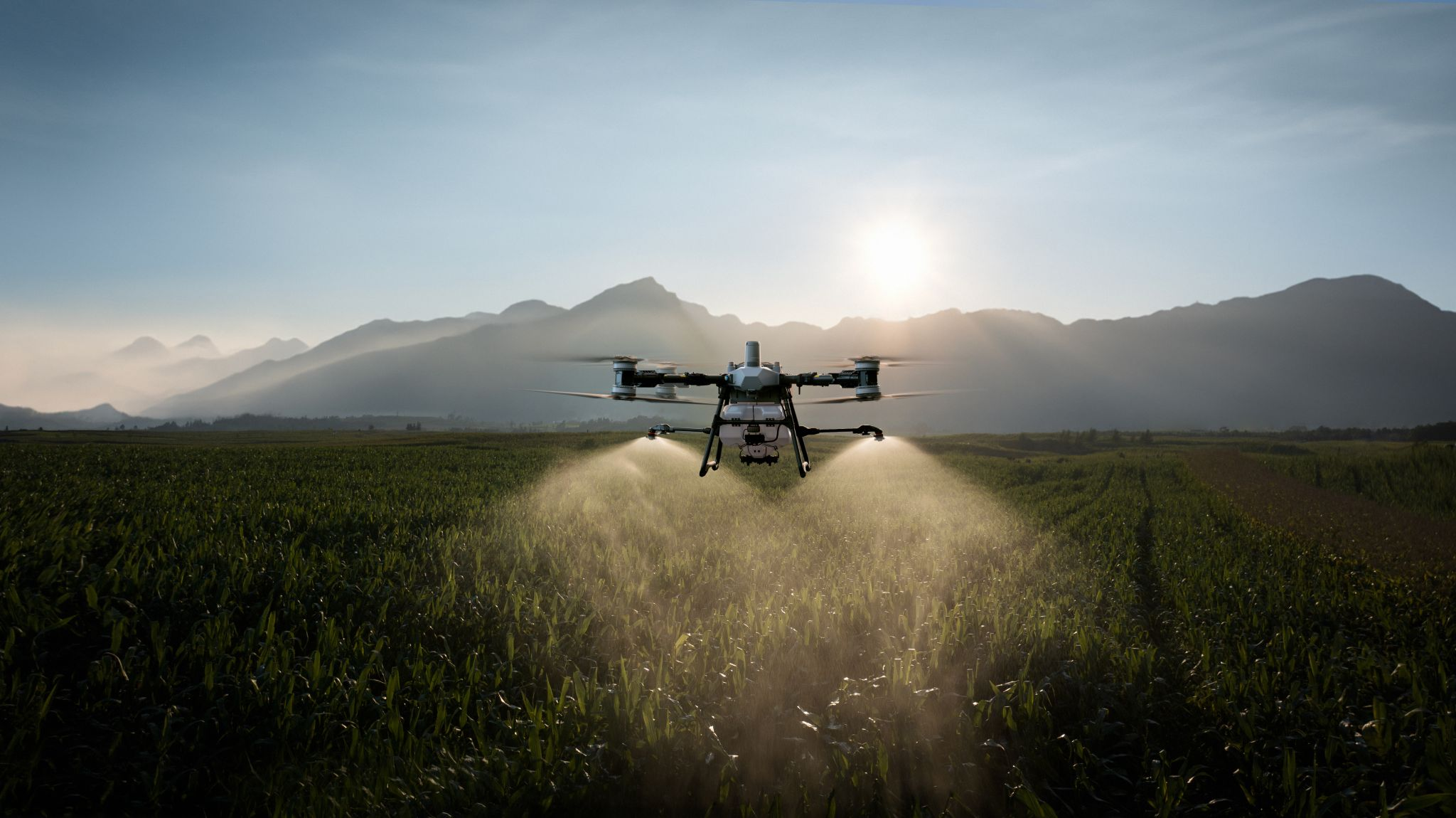
The DJI aerial vehicles represents a notable transformation in contemporary agriculture practices. Such high-tech flying platforms are created to effectively distribute herbicides and other necessary factors to grounds. Applying targeted methods, the Agras system cuts manpower expenditure, boosts harvests, and facilitates earth-conscious planting practices. Farmhands can now secure improved precision and reach in their crop maintenance operations thanks to this noteworthy development.
Agrarian Unmanned Systems: A Producer's Instruction to the DJI Agras Collection
The DJI Agras collection presents a substantial development in precision crop cultivation methodology, supplying farmers a capable resource for amplifying crop outputs and minimizing operational disbursements. These robotics are particularly manufactured for distributing crop enhancers, bringing a timely and focused process than conventional practices. The Agras range contain various configurations, each configured for diverse plantation extents and crop categories. Provided is a snapshot overview:
- T configuration: Known for their minimal configuration and maneuverability, excellent for smaller fields and rugged terrain.
- P versions: Heavy-duty machines engineered for massive areas, allowing greater payload and dispersion metrics.
- V versions: Constructed for fruit farm management, with dedicated features supporting operation in compact environments.
All in all, combining a DJI Agras UAV into your enterprise can yield important gains in output and environmental stewardship. Thorough instruction and compliance with local rules are critical for cautious and effective utilization.
Improving Harvests: How DJI Agras-like Spraying UAVs are Transforming Plantation
Entire agrarian area is moving through a crucial development, spurred by cutting-edge technology. Spraying UAVs, especially types like the DJI Agras, are revolutionizing how growers handle their land. These machines provide unprecedented precision in applying pesticides, cutting down waste and augmenting output crop value. Operating unmanned, they work on larger expanses hastily and with upgraded exactness, generating better crop bounties and a cleaner way of up-to-date farming approaches.
Agras drones vs. Conventional Broadcasting: Productivity Gains and Green Benefits
Farmers are continuously considering DJI Agras as an option to customary dispersing systems. The efficiency progress are important; drones can treat grounds noticeably brisker than ground-based equipment, lessening personnel fees. Moreover, accurate emission competences curb toxic agent waste, culminating in a lowered environmental footprint and sustaining more environmentally safe cultivation methods.
Advancing Aerial Impact: Actual Employments of the DJI Agras lineup
A the Agras platform is speedily acquiring approval across numerous arenas, showing its capability for enhancing farming systems. From accurate distribution of pesticides in extensive cultivation areas to efficiently checking cultivation condition, and maximizing crop volumes, the Agras system supplies a considerable advantage over classic procedures. Illustrations contain its deployment in cereal tilling across the continent, drupe fruit fields in the continent, and oilseed crop planting in the continent, pointing out its adjustability and multinational effect.
A Future Concerning Farming: Understanding Various Capabilities Suitable for Agricultural Drones
This crop domain is set for a notable advancement, mainly by reason of the expanding use involving unmanned UAVs. Those cutting-edge systems offer unprecedented abilities, covering precision cartography throughout farms, exclusive administration of fertilizers and herbicides, and complete monitoring of harvest state. What's more, they present diminishing of labor payments and amplification of overall outputs, at last reshaping the picture of up-to-date farming techniques.
Precision Agriculture: Optimizing Nutrient Deployment with Certain Agricultural robotics
Next-generation fine plantation is transforming how growers govern soil nutrient dispersion. The DJI Agras portfolio of autonomous aircraft presents unparalleled accuracy and competence in plant supplement dispersion. Leveraging up-to-date observational equipment, these robotic UAVs enable plant managers to diffuse supplements precisely where essential, limiting leakage and boosting yield. This procedure not only increases farm proceeds but also promotes conservation-minded planting methods.
Contemplating a DJI Agras: Outlays, Returns, and Revenue for Farmers
Securing a DJI Agras airborne device constitutes a serious commitment for diverse agrarians, but the prospective rewards can endorse the earliest investment. The aggregate outlay includes the system taking ownership cost, ongoing care costs, and coaching costs. However, these spendings are often reduced by improved output, lessened personnel costs, curtailed spray use, and improved outputs. Ultimately, the monetary benefits depends on factors like plot extent, crop kind, timing, and local functioning frameworks, with methodical scheduling and metrics study critical for maximizing returns and garnering a advantageous financial performance.
Exceeding Emission : Expanding the Use of DJI systems in Progressive Agronomic Management
While mainly recognized for their crop distribution abilities, the DJI Agras substantiates a expanded potential through modern agriculture fields. Growers are now examining how these multi-purpose robots can be applied for tasks over and above simple fertilizer spraying. This includes accurate seeding, broadcasting cover green manure, and even first-phase crop wellness oversight via state-of-the-art sensor apparatus, opening up revolution in high-performing agribusiness methods.